portalhunter
New member
- Joined
- Dec 4, 2024
- Messages
- 24
- Reaction score
- 21
- Location
- Arizona
- Website
- truck.bdigitalmedia.io
- IG Page
- Visit Instagram
- Tacoma
- 2024 Tacoma Trailhunter
32K Miles on the 2400W Inverter — The One Problem Nobody Mentions
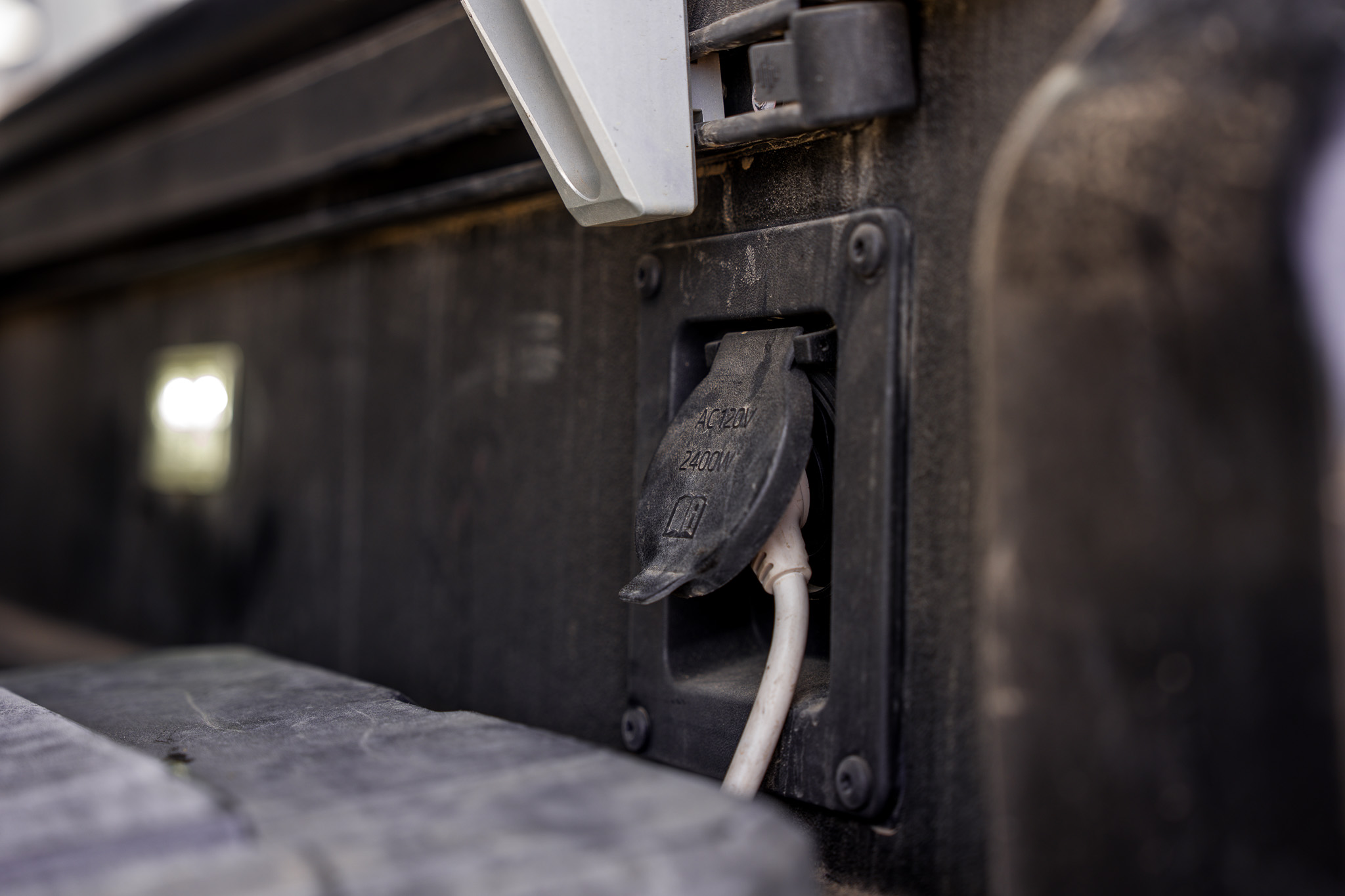
The 2400W inverter on the i-FORCE MAX Tacoma sounds amazing on paper. And honestly, 90% of the time it IS amazing. I've been running a Starlink Mini off the bed outlet full time for 32,000 miles — streaming, camping, highway, rock trails. Temps from -15°F to 118°F.
But there's one scenario where this system quietly drops out on you, and I haven't seen anyone break it down in detail.
Quick Specs — What Each Trim Actually Gets
The pure sine wave vs. modified sine wave distinction matters more than people think. Modified sine wave causes issues with sensitive electronics and solar generators.
My Setup
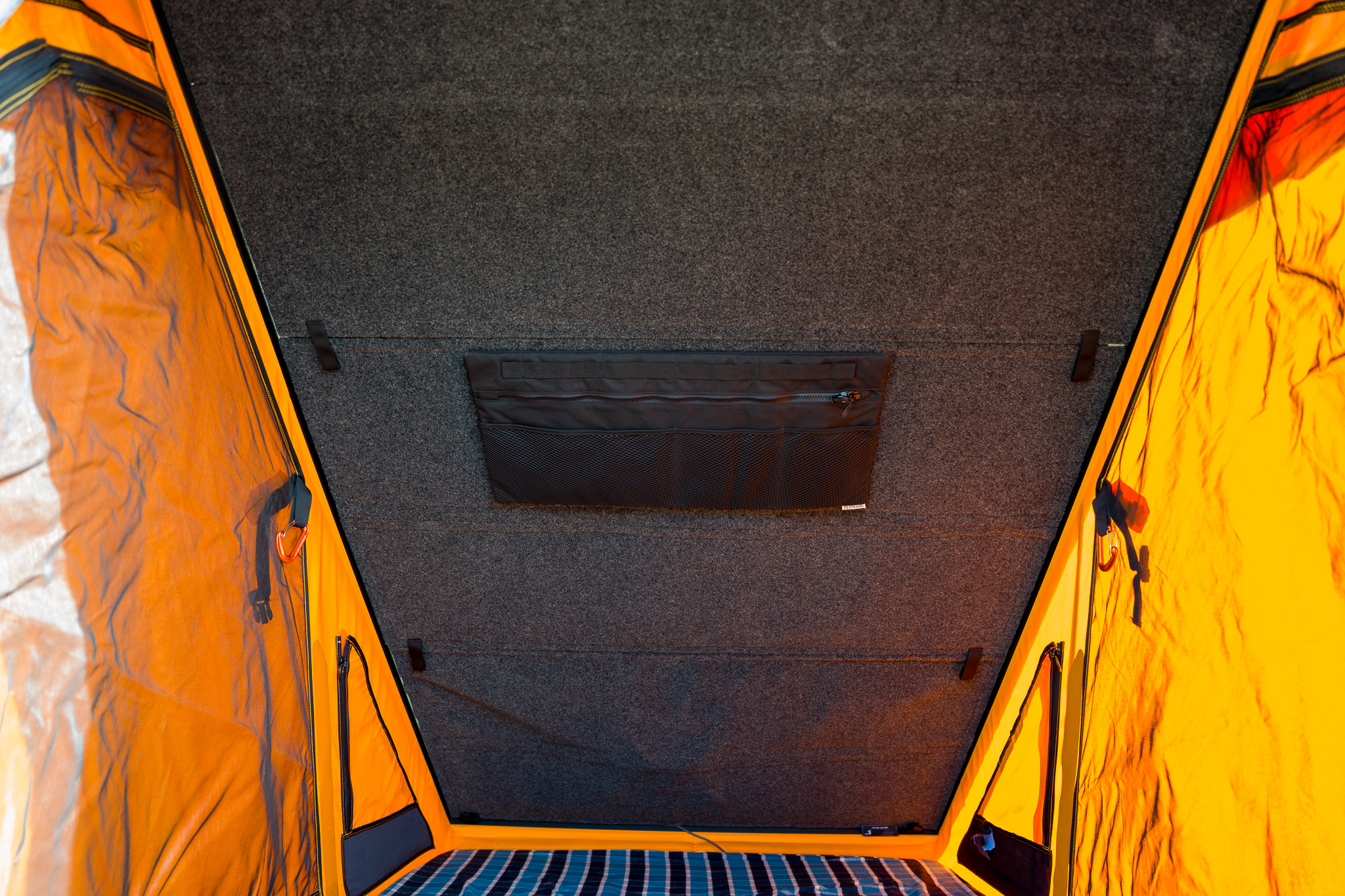
Starlink Mini lives inside the GFC V2 Pro, suction-cup mounted to the ceiling, hidden under the headliner. Power cable runs from the 120V bed outlet through the floor panels. From outside you'd never know it's there.
The Starlink pulls 25-40W normally. Under 2% of the 2400W capacity. Should never be an issue.
The Problem: Sustained Climbs Kill the Battery
On flat highway and in camp — flawless. The problem shows up on long mountain grades.
The i-FORCE MAX has three simultaneous demands during a climb:
On flat ground, the engine has spare capacity to top off the battery. On a sustained grade, it doesn't. You've got the hybrid system pulling from the battery AND your inverter load sucking it down at the same time — it's a tug of war the battery can't win.
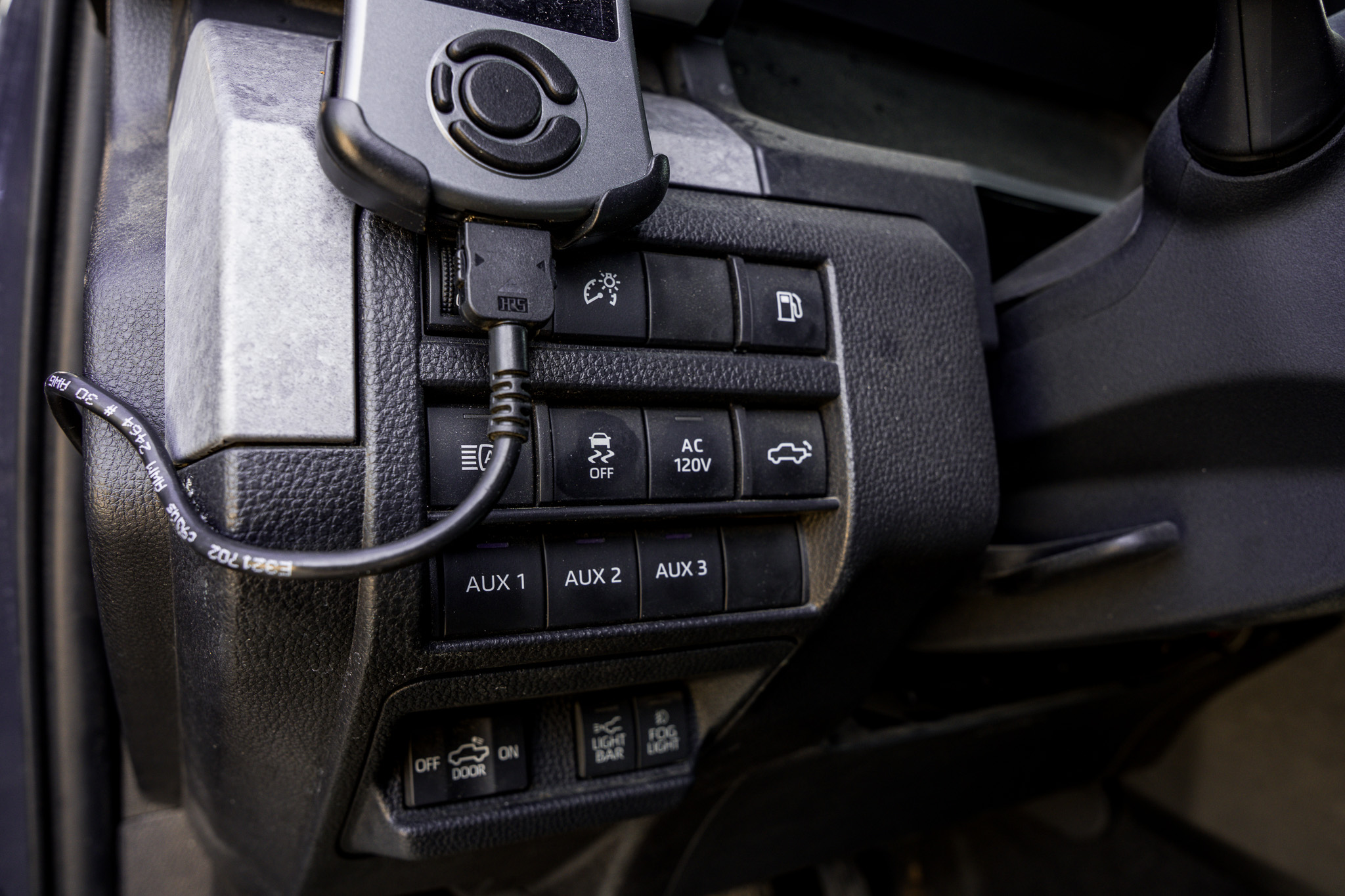
If the battery drops low enough, moving the truck down the road always wins over whatever you've got plugged into the bed outlet. Starlink reboots. Connection gone.
Nothing is wrong with your truck — the system is working as designed. But if you depend on continuous power while driving loaded through mountains, it's a real limitation.
What I Tried (And What Finally Worked)
1. Goal Zero Yeti 1500X as a buffer
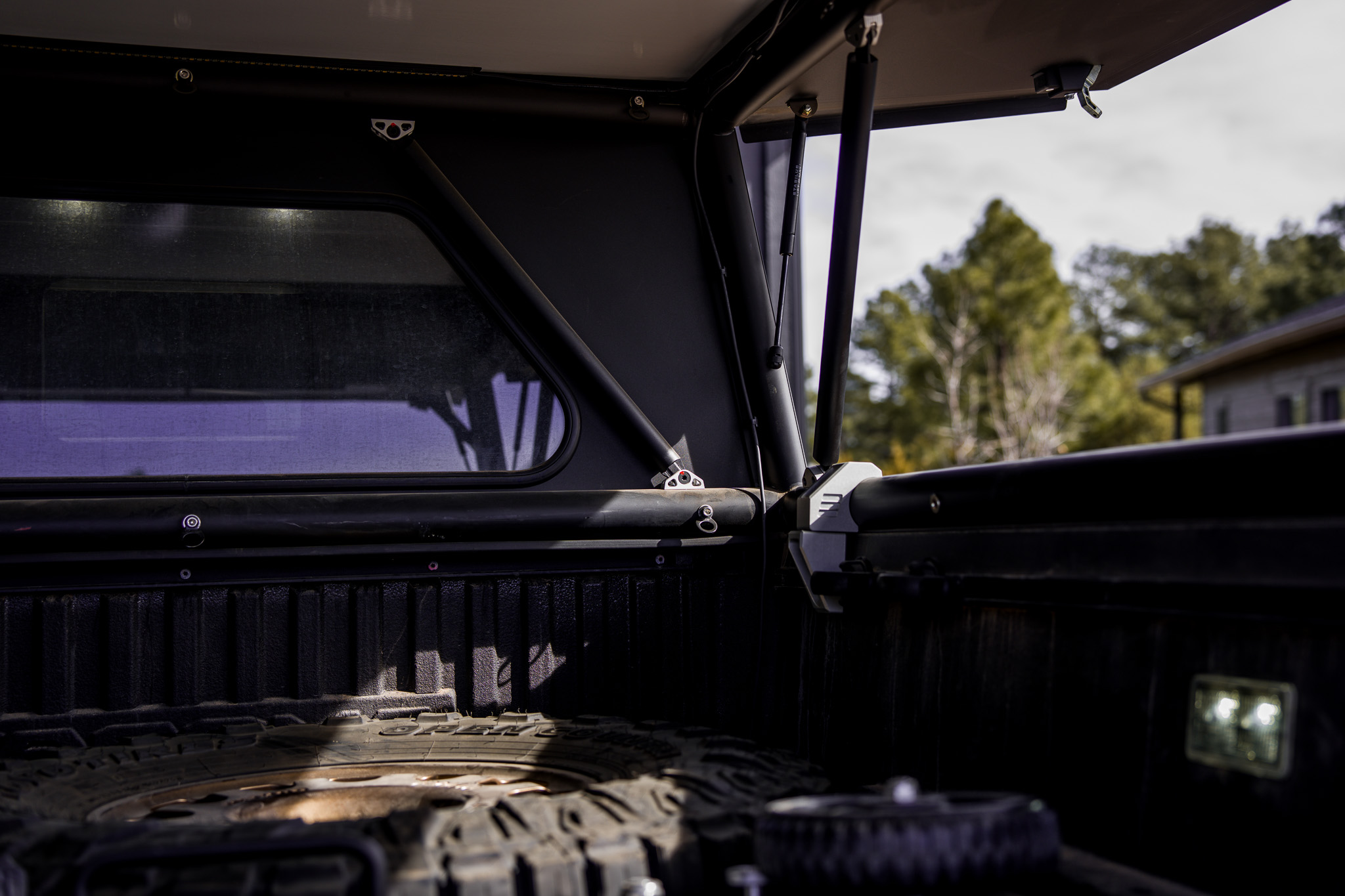
Ran a Yeti inside the GFC to power the Starlink independently. It works — Starlink stays connected through climbs. But it's 45 more pounds, more cables, more complexity. And in summer heat the Goal Zero triggers thermal protection and shuts down. Throwing a portable battery at it just masks the symptom — doesn't solve the underlying issue.
2. Sport/Tow-Haul mode
Free and easy. Higher RPM, lower gears during climbs = more charging headroom. Battery depleted slower. Helped but didn't eliminate it.
3. Portal axles
Unexpected benefit. The 74Weld Gen2 portals give 22% gear reduction, meaning higher engine RPM at the same road speed. More charging capacity while the gearing reduces peak torque demand. Less motor assist needed = less battery drain. Installed them for clearance and trail capability — the hybrid battery benefit was a surprise.
4. Portals + Sport/Tow-Haul + CAMTuning flash = SOLVED
The custom tune via COBB Accessport was the last piece. Optimized shift logic + portal gearing + aggressive drive mode = the engine produces enough power to climb, charge, and run the inverter simultaneously. Battery gauge stays stable through grades that previously caused depletion. Starlink stays connected the whole drive.
What This Means If You Don't Have Portals
Not everyone has portals and a custom tune. What applies to everyone:
Anyone else running the 2400W inverter hard? What are you powering off the bed outlet? Have you noticed the drop on mountain grades?
Full writeup with all the details on the blog
@portal.hunter on Instagram
The 2400W inverter on the i-FORCE MAX Tacoma sounds amazing on paper. And honestly, 90% of the time it IS amazing. I've been running a Starlink Mini off the bed outlet full time for 32,000 miles — streaming, camping, highway, rock trails. Temps from -15°F to 118°F.
But there's one scenario where this system quietly drops out on you, and I haven't seen anyone break it down in detail.
Quick Specs — What Each Trim Actually Gets
- The 2400W inverter is only on i-FORCE MAX hybrids — standard on TRD Pro and Trailhunter, optional on others
- It's a pure sine wave inverter. Gas-only Tacomas get a 400W modified sine wave — completely different thing
- Hybrid bed outlet: 2400W (20A @ 120V). Cabin outlet: 400W
- Gas-only trucks are capped at 100W while driving — not enough for Starlink or some laptop chargers
- 4Runner and Land Cruiser also get the 2400W. Tundra and Sequoia stuck at 400W
The pure sine wave vs. modified sine wave distinction matters more than people think. Modified sine wave causes issues with sensitive electronics and solar generators.
My Setup
Starlink Mini lives inside the GFC V2 Pro, suction-cup mounted to the ceiling, hidden under the headliner. Power cable runs from the 120V bed outlet through the floor panels. From outside you'd never know it's there.
The Starlink pulls 25-40W normally. Under 2% of the 2400W capacity. Should never be an issue.
The Problem: Sustained Climbs Kill the Battery
On flat highway and in camp — flawless. The problem shows up on long mountain grades.
The i-FORCE MAX has three simultaneous demands during a climb:
- The engine pushing the truck uphill
- The 48-hp electric motor drawing from the 1.87 kWh NiMH battery for assist
- The inverter load pulling from the same battery
On flat ground, the engine has spare capacity to top off the battery. On a sustained grade, it doesn't. You've got the hybrid system pulling from the battery AND your inverter load sucking it down at the same time — it's a tug of war the battery can't win.
If the battery drops low enough, moving the truck down the road always wins over whatever you've got plugged into the bed outlet. Starlink reboots. Connection gone.
Nothing is wrong with your truck — the system is working as designed. But if you depend on continuous power while driving loaded through mountains, it's a real limitation.
What I Tried (And What Finally Worked)
1. Goal Zero Yeti 1500X as a buffer
Ran a Yeti inside the GFC to power the Starlink independently. It works — Starlink stays connected through climbs. But it's 45 more pounds, more cables, more complexity. And in summer heat the Goal Zero triggers thermal protection and shuts down. Throwing a portable battery at it just masks the symptom — doesn't solve the underlying issue.
2. Sport/Tow-Haul mode
Free and easy. Higher RPM, lower gears during climbs = more charging headroom. Battery depleted slower. Helped but didn't eliminate it.
3. Portal axles
Unexpected benefit. The 74Weld Gen2 portals give 22% gear reduction, meaning higher engine RPM at the same road speed. More charging capacity while the gearing reduces peak torque demand. Less motor assist needed = less battery drain. Installed them for clearance and trail capability — the hybrid battery benefit was a surprise.
4. Portals + Sport/Tow-Haul + CAMTuning flash = SOLVED
The custom tune via COBB Accessport was the last piece. Optimized shift logic + portal gearing + aggressive drive mode = the engine produces enough power to climb, charge, and run the inverter simultaneously. Battery gauge stays stable through grades that previously caused depletion. Starlink stays connected the whole drive.
What This Means If You Don't Have Portals
Not everyone has portals and a custom tune. What applies to everyone:
- Low-draw devices (Starlink, chargers, small cooler) — works great on flat road and in camp. Only notice limits on sustained climbs
- Sport/Tow-Haul mode costs nothing — use it when climbing with the inverter active
- Anything that keeps the engine producing more power relative to demand gives the battery more room
- If AC power matters at all, spec the i-FORCE MAX. The gas model's limitations are real
Anyone else running the 2400W inverter hard? What are you powering off the bed outlet? Have you noticed the drop on mountain grades?
Full writeup with all the details on the blog
@portal.hunter on Instagram